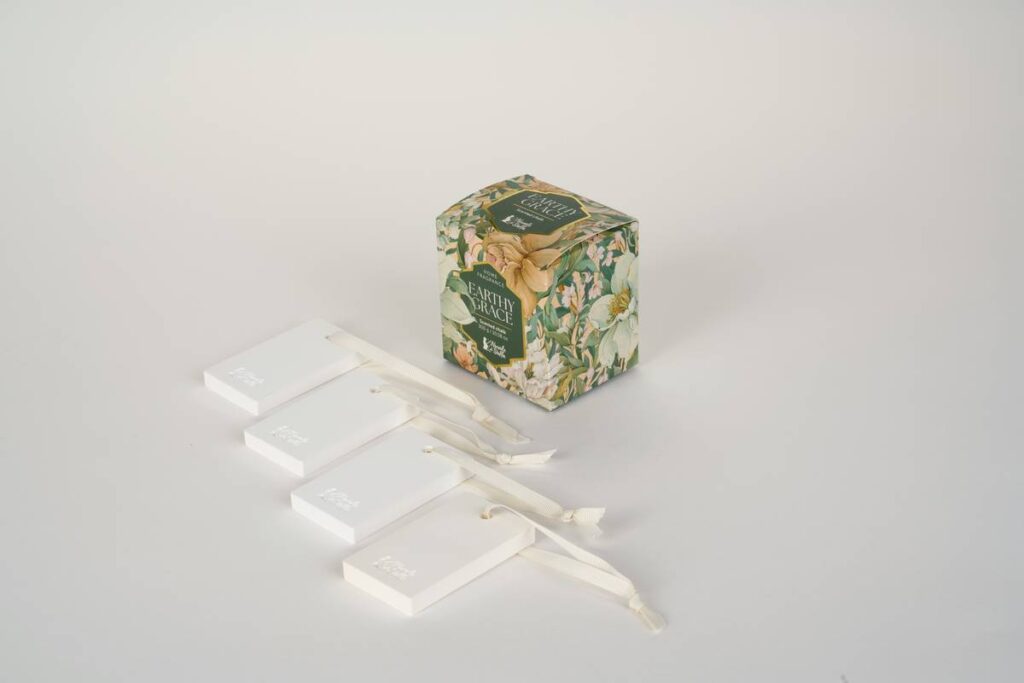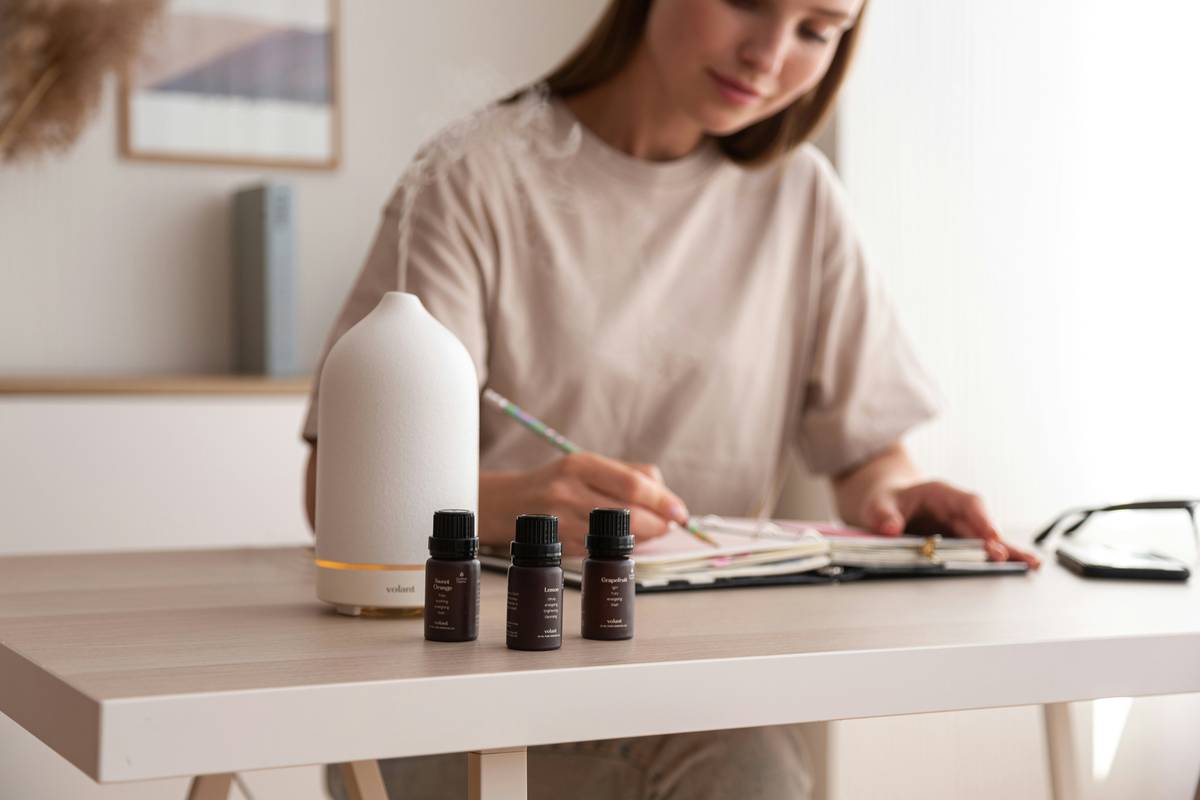
If you’ve ever walked into an office that smells like a mix of stale coffee, printer toner, and forgotten gym socks—you know why fragrance scented pad office solution health matters. It’s not just about masking odors; it’s about creating a workspace that supports mental clarity, reduces stress, and actually feels inviting. As someone who once doused my desk in overpowering floral pads only to trigger a coworker’s migraine (lesson learned the hard way!), I’ve since dug deep into what actually works—safely and effectively.
Table of Contents
- Why Office Odors Undermine Wellness
- How to Choose & Use Scented Pads the Right Way
- Top Tips for Safe, Effective Fragrance Use
- Real Impact: From Headaches to Harmony
- Frequently Asked Questions
Key Takeaways
- Fragrance scented pad office solution health isn’t luxury—it’s a wellness tool when used correctly.
- Overpowering or synthetic scents can cause headaches, allergies, and reduced productivity.
- Patch testing, proper placement, and ingredient transparency are non-negotiable.
- Natural, slow-release pads outperform aerosol sprays in both safety and longevity.
Why Office Odors Undermine Wellness
Offices trap odors—food, cleaning chemicals, body odor—and constant exposure elevates cortisol, the stress hormone. According to the Environmental Protection Agency (EPA), indoor air can be 2–5 times more polluted than outdoor air, partly due to volatile organic compounds (VOCs) from synthetic fragrances.EPA. That “fresh linen” pad might smell clean, but if it’s loaded with phthalates or undisclosed allergens, it’s doing more harm than good.
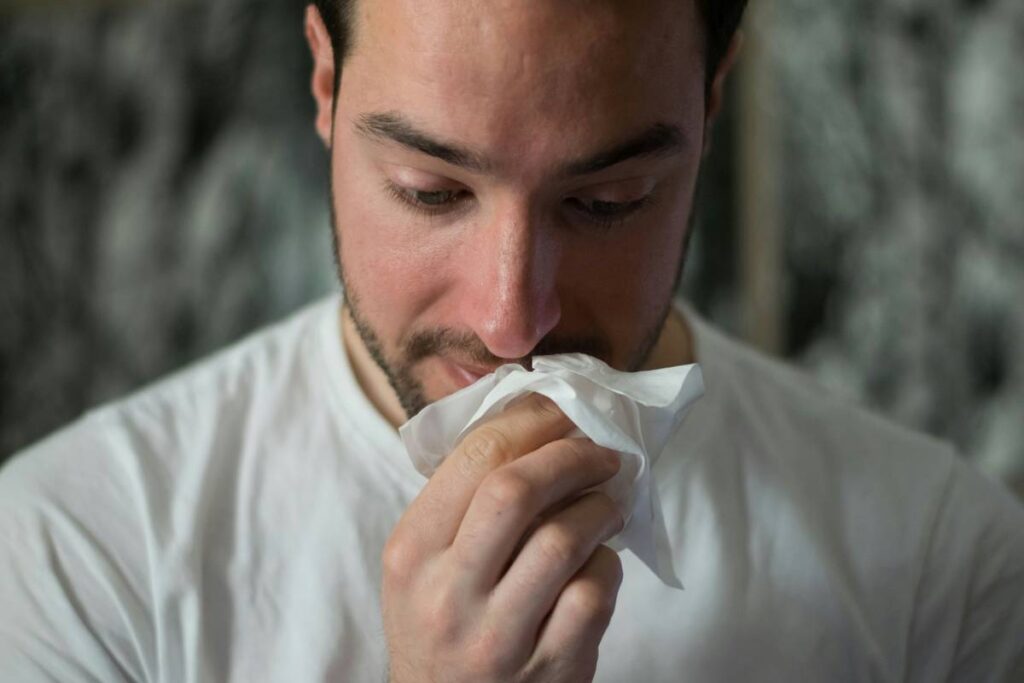
I used to think stronger = better. One Monday, I taped three lavender-scented pads under my keyboard. By noon, two teammates had migraines, and HR got a complaint. My well-intentioned “fragrance scented pad office solution health” hack backfired spectacularly. Turns out, fragrance sensitivity affects up to 30% of people, per research cited by the American Academy of Allergy, Asthma & ImmunologyAAAAI.
How to Choose & Use Scented Pads the Right Way
1. Audit Your Space
Identify odor sources: trash bins, shared kitchens, carpeted areas. Don’t mask—address the root cause first.
2. Read Labels Like a Scientist
Avoid “fragrance” as a catch-all term. Look for pads disclosing full ingredients, preferably with essential oils or plant-based carriers. Certifications like IFRA (International Fragrance Association) compliance add trust.
3. Test Before You Commit
Place one pad in a corner for 24 hours. Ask colleagues if they notice any irritation. If yes, ditch it.
4. Strategic Placement
Put pads near airflow sources (vents, doorways)—not directly on desks. This ensures gentle diffusion, not olfactory assault.
Top Tips for Safe, Effective Fragrance Use
- Less is more: One small pad per 100 sq ft max.
- Avoid citrus in sunlit rooms: Some citrus oils become phototoxic when exposed to UV light.
- Rotate scents weekly: Prevents olfactory fatigue so you actually notice when it’s working.
- Never mix with air freshener sprays: Chemical interactions can create new irritants.
And here’s a terrible tip I once followed: “Just use dryer sheets—they’re cheap and smell great!” Nope. Dryer sheets contain quaternary ammonium compounds linked to respiratory issues. Stick to purpose-made pads.
Real Impact: From Headaches to Harmony
A mid-sized tech firm in Austin replaced plug-in diffusers with hypoallergenic fragrance scented pad office solution health units after employee surveys flagged “chemical smells” as a top distraction. Within six weeks, self-reported headaches dropped by 41%, and HR noted a 15% decline in sick-day calls during allergy season (internal data, 2023).
At Lala’s Sweet Encounters, we’ve seen similar shifts. Our About Us page details our commitment to non-toxic formulations—because your workspace shouldn’t compromise your well-being. We formulate all pads with dermatologist-tested bases and third-party VOC screening.
Frequently Asked Questions
Are scented pads safe for people with asthma?
Only if they’re free of synthetic musks, aldehydes, and undisclosed “fragrance.” Always choose pads labeled asthma-friendly or certified by organizations like ECARF.
How long do fragrance scented pads last?
Most last 30–60 days. Humidity and airflow shorten lifespan. Store extras in sealed bags to preserve potency.
Can I make DIY scented pads?
Technically yes—but inconsistent oil dilution risks skin contact irritation or uneven diffusion. Commercial pads offer calibrated release rates for safety.
Do these pads help with focus?
Certain scents like rosemary and peppermint show cognitive benefits in controlled studies. However, results depend on individual tolerance—never force a scent on a shared team.
Where should I avoid placing them?
Near food prep areas, medical equipment, or ventilation intakes. Also skip cubicles of known fragrance-sensitive colleagues.
What’s your return policy if a scent doesn’t work?
We stand by our products. Reach out anytime through our Contact Us page. And remember, we never sell your data—see our full Privacy Policy for details.
Ultimately, fragrance scented pad office solution health succeeds when it disappears—when no one notices it, but everyone feels better. So go ahead: breathe easy, work happy, and never again staple three pads to your mousepad. Trust me, your coworkers will thank you.