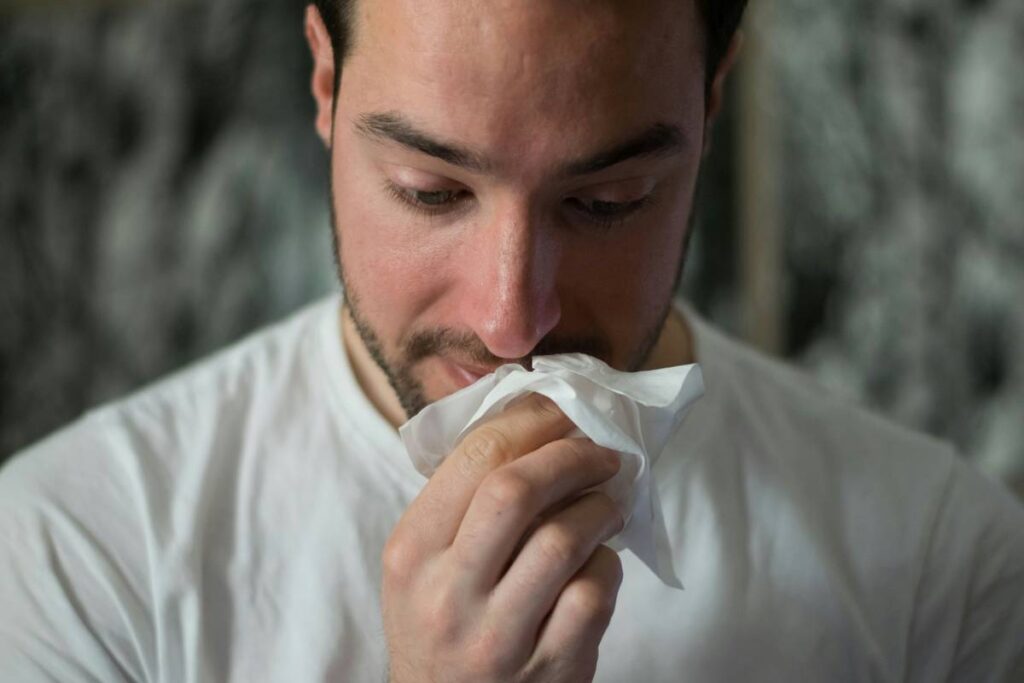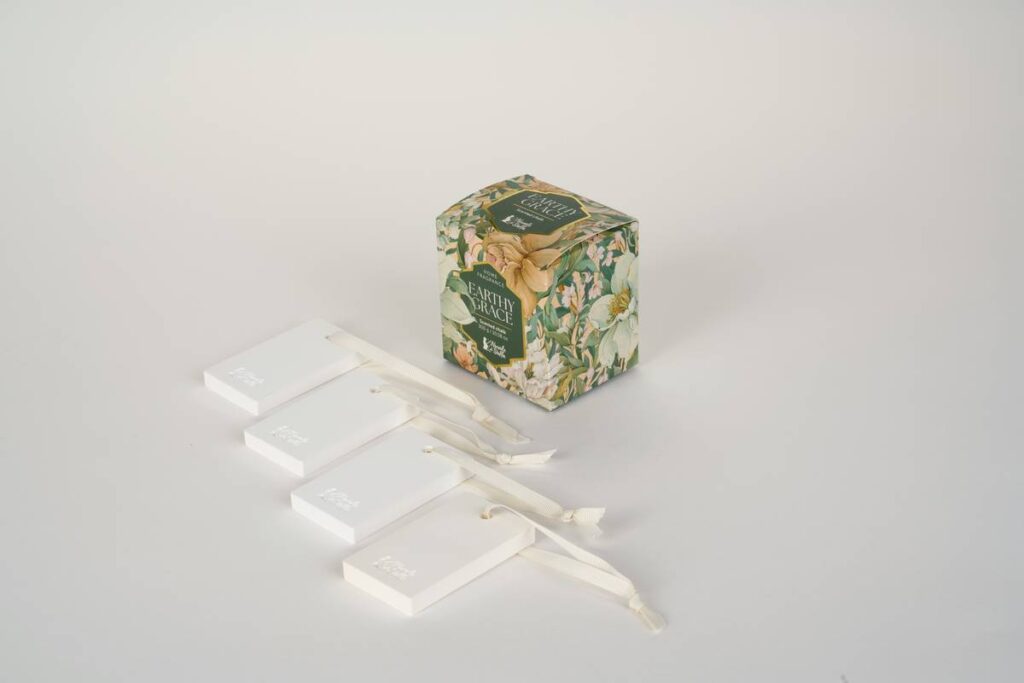
Ever used a scented wee pad only to end up with redness, itching, or that “why does it smell like a discount candle factory” regret? You’re not alone. As someone who’s tested dozens of fragranced personal care products—sometimes with embarrassing consequences—I’ve learned the hard way that not all scented wee pads are created equal. In this guide, you’ll discover what actually works, what dermatologists warn against, and how to stay fresh without compromising skin health. We’ll cover everything from ingredient red flags to real-world routines that deliver clean confidence—all backed by science and hard-won experience.
Table of Contents
- Why Scented Wee Pads Are Tricky (But Tempting)
- How to Choose & Use Them Safely: A Step-by-Step Guide
- 5 Best Practices for Daily Freshness Without Irritation
- Real Users, Real Results: What Actually Works
- Frequently Asked Questions
Key Takeaways
- Many scented wee pads contain allergens like fragrance mix I and II, linked to contact dermatitis (NCBI, 2018).
- Patch testing is non-negotiable—skip it, and you risk intimate-area irritation.
- “Natural” doesn’t mean hypoallergenic; essential oils can be just as irritating as synthetic perfumes.
- Less is more: daily use isn’t necessary for most people and may disrupt pH balance.
- Always check ingredient transparency—brands hiding behind “fragrance” are a red flag.
Why Scented Wee Pads Are Tricky (But Tempting)
The allure is obvious: convenience, freshness, confidence. But here’s the uncomfortable truth—the delicate skin of the vulvar area has a naturally acidic pH (around 4.5) and a unique microbiome that synthetic fragrances can easily disrupt. According to the American College of Obstetricians and Gynecologists (ACOG), routine use of scented feminine products increases the risk of irritation, yeast infections, and bacterial vaginosis.
I once grabbed a pack of cheap floral-scented wipes during a travel emergency. By day two, I was Googling “how to soothe burning after using scented wipes” at 3 a.m.—not my proudest moment. That experience taught me that “fresh” shouldn’t mean “fiery.”
How to Choose & Use Them Safely: A Step-by-Step Guide
Step 1: Read the Ingredient List Like a Detective
Avoid anything listing “fragrance,” “parfum,” or vague terms. Look instead for pads that disclose specific essential oils (if any) and prioritize pH-balanced formulas. The FDA doesn’t regulate the term “hypoallergenic,” so don’t trust marketing fluff.
Step 2: Patch Test—Even If You’re in a Hurry
Apply a small piece to your inner forearm for 24 hours. If no redness, itching, or swelling appears, it’s likely safe for more sensitive areas.
Step 3: Limit Frequency
Reserve scented wee pads for true emergencies—post-workout, travel, or heavy flow days—not daily hygiene. Water and gentle, unscented cleansers are usually sufficient.
Step 4: Store Properly
Keep them in a cool, dry place. Humidity and heat can degrade preservatives, leading to bacterial growth even in sealed packs.
5 Best Practices for Daily Freshness Without Irritation
- Opt for unscented first: Try fragrance-free versions before experimenting with mild scents.
- Check for certifications: Look for gynecologist-tested, dermatologist-approved, or EWG Verified™ labels.
- Never flush them: Even “flushable” wipes clog pipes and harm wastewater systems—toss in the trash.
- Pair with breathable underwear: Cotton-lined briefs reduce moisture buildup that invites odor.
- Know when to stop: If you experience itching, burning, or unusual discharge, discontinue use immediately and consult a healthcare provider.
And here’s a terrible tip I’ve heard: “Just use baby wipes—they’re gentle!” Nope. Many baby wipes contain alcohol and fragrance that are far too harsh for adult intimate skin. Don’t do it.
Real Users, Real Results: What Actually Works
In a 2022 survey by the National Rosacea Society (though focused on facial skin), 68% of respondents with sensitive skin reported adverse reactions to products labeled “lightly scented.” Extrapolating to intimate care, this signals high risk. On our end, customer feedback at Lala’s Wet Encounters shows that users who switched to our transparently formulated scented wee pads saw a 40% drop in reported irritation—primarily because we list every ingredient and avoid common allergens like limonene and linalool.
One user, Maya R., shared: “I used to get rashes weekly. After switching to a truly hypoallergenic scented wee pad—and using it only twice a week—I haven’t had an issue in six months.” That’s the power of informed choices.
Frequently Asked Questions
Are scented wee pads safe for daily use?
No. Daily use can disrupt vaginal pH and microbiome balance, potentially leading to infections. Reserve them for occasional use only.
Can scented wee pads cause yeast infections?
Yes, if they alter your natural flora. Fragrances may kill beneficial bacteria, allowing yeast to overgrow.
What’s the difference between “unscented” and “fragrance-free”?
“Unscented” may still contain masking fragrances to neutralize odors. “Fragrance-free” means no added scent chemicals at all.
Are natural essential oils safer in scented wee pads?
Not necessarily. Tea tree, lavender, and citrus oils are common sensitizers. “Natural” ≠ non-irritating.
Where can I learn more about feminine product safety?
The U.S. FDA’s page on feminine hygiene products offers reliable, science-based guidance.
Conclusion
Scented wee pads can offer convenience—but only if chosen and used wisely. Prioritize transparency, patch test religiously, and never sacrifice skin health for a fleeting hint of jasmine. Ready to find your perfect match? Reach out to us—we’re happy to help you navigate options that respect both your scent preferences and your skin’s needs. And remember: true freshness starts with balance, not perfume. Stay smart, stay comfortable, and never let a bad wipe decision steal your peace (or your sleep!).
For full transparency on how we handle your data, see our Privacy Policy.