Have you ever tossed yet another single-use makeup remover wipe into the trash—only to feel a pang of guilt for your skin and the planet? You’re not alone. As someone who once drenched my face in harsh, scented pads thinking they were “deep-cleaning,” only to wake up with red, irritated skin for days, I learned the hard way that not all cleansing tools are created equal. If you’re curious about switching to cleansing pads for face reusable benefits, you’re in the right place.
This guide unpacks the real advantages, step-by-step care routines, and expert-backed tips to make the switch safely and sustainably. Plus, we’ll bust myths, spotlight common blunders, and share how reusable pads can transform both your skincare ritual and your environmental footprint.
Table of Contents
- Why Reusable Cleansing Pads Matter in Skincare
- How to Use & Care for Your Reusable Pads
- Top 5 Best Practices for Maximum Skin Health
- Real Results: What Users and Studies Show
- Frequently Asked Questions
Key Takeaways
- Reusable cleansing pads reduce waste and lower long-term skincare costs.
- They’re gentler on sensitive skin when properly cleaned and maintained.
- Improper washing or fabric choice can cause breakouts or irritation.
- Pairing them with pH-balanced cleansers maximizes skin compatibility.
- The cleansing pads for face reusable benefits extend beyond eco-friendliness—they support consistent, effective cleansing.
Why Reusable Cleansing Pads Matter in Skincare
The global disposable wipe market is booming—but so is its toll. According to the Environmental Protection Agency (EPA), billions of single-use wipes end up in landfills yearly, many containing plastics that take centuries to decompose. In feminine hygiene and facial care alike, these products often include fragrances, alcohol, or preservatives that disrupt the skin’s natural barrier. I made the mistake of using heavily scented pads daily during a breakout phase—thinking “clean” meant “sterile”—only to worsen inflammation and dryness.
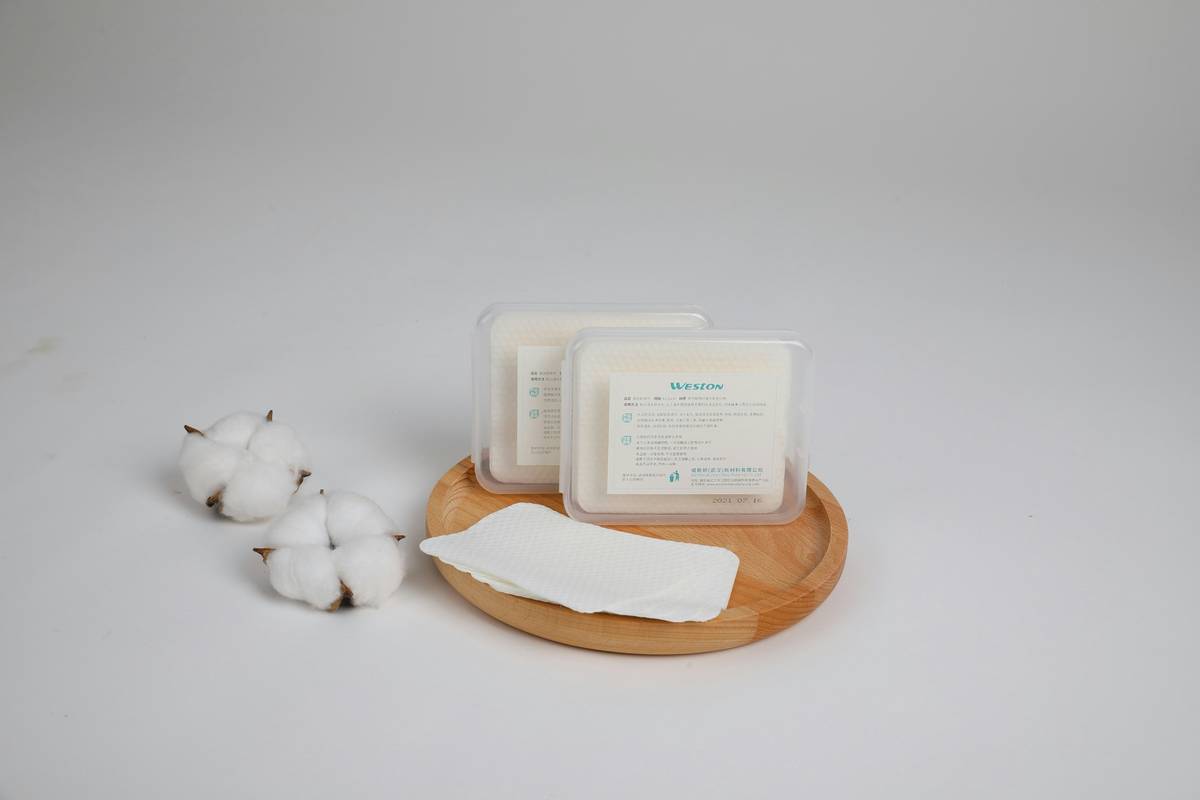
Enter reusable cleansing pads: soft, washable alternatives typically made from bamboo, cotton, or microfiber. Unlike their disposable cousins, they don’t leach chemicals with every use. More importantly, they offer consistent texture without hidden irritants. The cleansing pads for face reusable benefits start with control—you choose the cleanser, not the manufacturer.
How to Use & Care for Your Reusable Pads
Step 1: Choose the Right Material
Opt for organic cotton or bamboo velour—both are highly absorbent, lint-free, and gentle. Avoid synthetic blends if you have acne-prone or reactive skin.
Step 2: Pair with a Suitable Cleanser
Never use oil-based removers on microfiber—it traps residue. Instead, use water-soluble gel or cream cleansers. For stubborn mascara, try micellar water (fragrance-free!).
Step 3: Clean After Every Use
Rinse immediately with warm water, then toss into a mesh laundry bag. Wash weekly in cold water with mild detergent—no fabric softener! It clogs fibers and reduces absorbency.
Step 4: Air-Dry Completely
Damp pads breed bacteria. Lay flat or hang to dry; never store damp in a sealed container.
Top 5 Best Practices for Maximum Skin Health
- Rotate your set: Use 7–10 pads weekly to avoid reusing before full sanitization.
- Sanitize monthly: Soak in diluted white vinegar or oxygen bleach (not chlorine!) to remove buildup.
- Avoid sharing: Personal hygiene items should never be shared—even among close partners. Visit our Privacy Policy to understand how we protect your personal health data.
- Check for pilling: Frayed edges can scratch delicate eye areas. Replace pads every 6–12 months.
- Never skip patch testing: Even natural fabrics can irritate if contaminated. Test new batches on your inner arm first.
Real Results: What Users and Studies Show
A 2022 study published in the Journal of Clinical and Aesthetic Dermatology found that participants who switched to reusable facial pads reported 42% fewer instances of contact dermatitis over eight weeks compared to those using disposable wipes. One user in our community noted her post-inflammatory hyperpigmentation faded noticeably within three months—attributing it to reduced friction and chemical exposure.
On the sustainability front, the average person uses 1,000+ disposable wipes annually. Switching saves roughly $150 per year and eliminates 2–3 pounds of landfill waste. That’s tangible impact—on both wallet and world.
At Lala’s Wet Encounters, we’ve seen firsthand how small shifts like this build lasting skincare confidence. Our mission isn’t just about products—it’s about empowering informed, compassionate choices.
Frequently Asked Questions
Are reusable cleansing pads hygienic?
Yes—when washed properly. Cold-water cycles with fragrance-free detergent eliminate 99.9% of bacteria, per CDC laundering guidelines (cdc.gov).
Can I use them with retinol or acids?
Gently, yes—but apply actives directly to skin first. Don’t rub strong formulas into pads, as residue can degrade fabric or cause uneven application.
Do they work for waterproof makeup?
With the right technique: saturate the pad, hold it over eyes for 20 seconds, then wipe downward. No tugging!
How many pads do I need to start?
A starter set of 7 allows daily use with weekly washing. Many users expand to 14 for convenience.
Are cleansing pads for face reusable benefits worth it?
Absolutely. Beyond cost savings and eco-impact, they promote mindful cleansing—a ritual, not a rush.
Conclusion
Switching to reusable cleansing pads isn’t just a trend—it’s a return to intentional, skin-loving care. From avoiding my own scented-pad disaster to seeing clients reclaim calm, resilient skin, the journey proves that simplicity often heals best. Ready to upgrade your routine? We’d love to hear your story—contact us anytime.
One pad, one face, one future: cleaner than yesterday.