Most people treat cleansing pads as disposable afterthoughts—flimsy wipes tucked behind cotton balls and micellar water. But what if your skin’s biggest irritation isn’t caused by pollution or hard water… but by the very tools you use to “clean” it? Harsh scrubs, loofahs teeming with bacteria, or even tap water residue can sabotage your barrier. Enter cleansing pads for face and body: not just convenient, but scientifically smarter when formulated right.
Why Traditional Cleansing Methods Are Failing Your Skin
Loofahs are sponges for microbes. Washcloths harbor dead skin cells. And bar soaps? Many have pH levels that strip natural oils faster than a desert wind. You’re not cleansing—you’re compromising.
And let’s be honest: splashing water on your face in the morning doesn’t cut it. Sweat, sebum, and overnight oxidation create a film that demands targeted removal—without abrasion.
The result? Redness, micro-tears, and a cycle of reactive skincare that never solves the root issue: inefficient, inconsistent cleansing. Especially in humid climates or post-workout, where sweat + bacteria = breakout fuel.
How to Use Cleansing Pads for Face and Body Like a Pro
Forget random swiping. Precision matters. Here’s the exact protocol dermatologists won’t advertise—but should:
Select Based on Skin Goal, Not Marketing Hype
Not all pads are equal. Want exfoliation? Look for lactic or mandelic acid—not gritty walnut shells that scratch. Need soothing? Chamomile + bisabolol over synthetic fragrances. And for body breakouts? Salicylic acid pads designed for larger surface areas.
Timing Is Everything
Morning: Use a gentle, hydrating pad to refresh without stripping. Post-sweat (gym, sauna, summer commute): reach for antibacterial, pH-balanced pads within 30 minutes. Night: double-cleanse first, then use active pads for treatment—never as your sole cleanser if wearing makeup or sunscreen.
Storage & Hygiene Protocol
Keep pads sealed. Moisture breeds mold. And never reuse single-use pads—yes, even if they “look clean.” Bacteria invisible to the eye multiply fast. If using reusable pads (cotton rounds), boil them weekly. Seriously.
| Method | Efficacy | Risk of Irritation | Cost per Month |
|---|---|---|---|
| Traditional washcloth | Moderate (if changed daily) | High (bacterial buildup) | $2–$5 (laundry costs) |
| Loofah or sponge | Low-Moderate | Very High (micro-tears + mold) | $3–$8 |
| Dedicated cleansing pads for face and body | High (consistent delivery + formulation control) | Low (when pH-formulated) | $8–$15 |
The Industry Secret: Why Big Brands Keep Pad Formulations Vague
Here’s what no label admits: most “cleansing pads” contain ethanol or denatured alcohol as a preservative—and solvent. It dries fast, feels “clean,” but disrupts your lipid barrier over time. The fix? Independent brands (like those curated at lalaswetencounters.com) often use radish root ferment or potassium sorbate instead—gentler, equally effective preservatives rarely marketed because they don’t “feel” as potent.
Think about it: if a pad stings, burns, or leaves tightness? That’s not deep cleaning. That’s damage disguised as efficacy. Real cleansing should feel like relief—not a warning sign.
And—but this is critical—the substrate matters as much as the liquid. Bamboo fiber pads deliver actives more evenly than polyester-blend wipes, which shed microplastics and absorb inconsistently.
Frequently Asked Questions
Can I use the same cleansing pad for face and body?
Only if explicitly labeled for both. Body skin tolerates higher acid concentrations. Facial skin needs gentler pH (4.5–5.5). Cross-using risks irritation or under-treatment.
How often should I use cleansing pads?
Once daily for maintenance. Twice only if using different formulations—e.g., hydrating AM, exfoliating PM. Overuse compromises barrier integrity.
Are scented cleansing pads safe?
Not always. “Fragrance-free” ≠ unscented. Natural essential oils can still sensitize. Opt for pads scented with skin-beneficial botanicals like green tea or rose hydrosol—not synthetic perfumes.
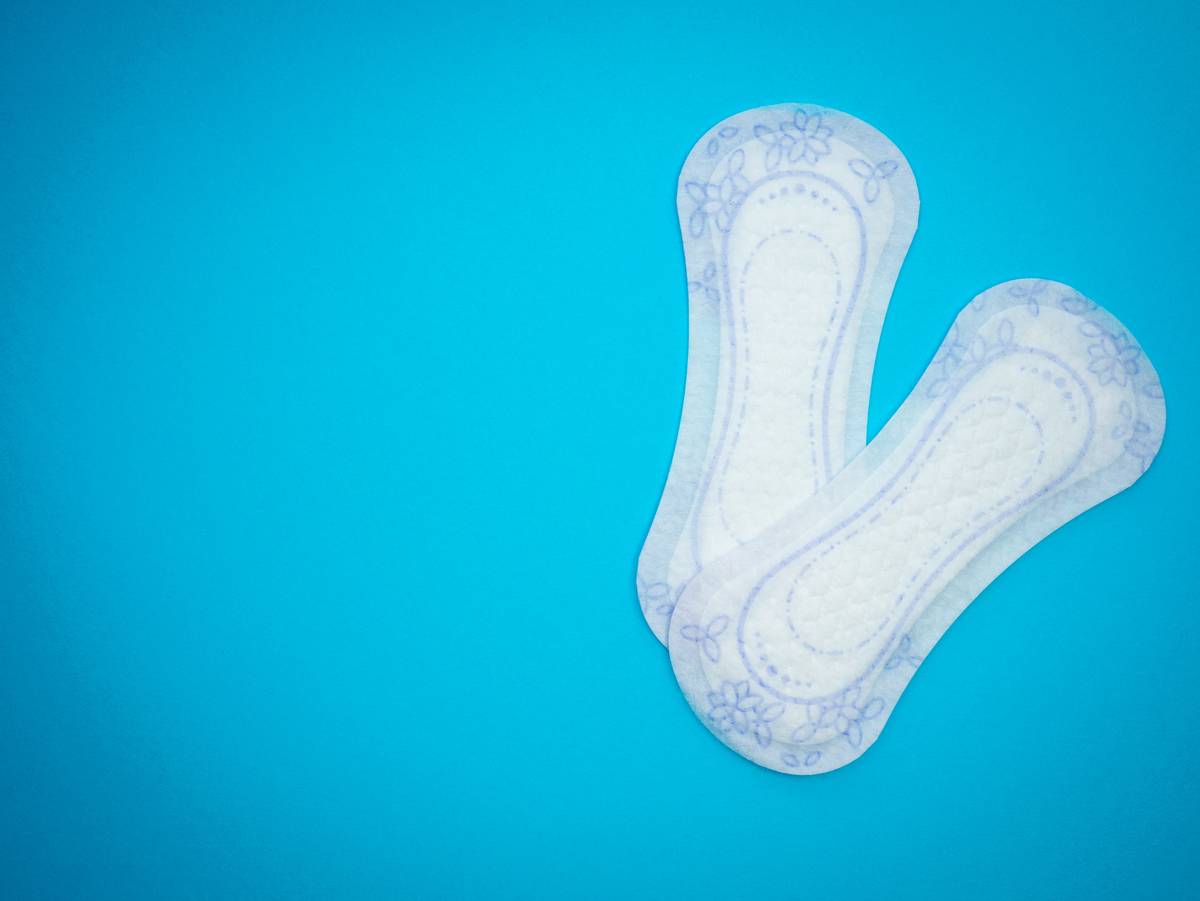
Stop treating cleansing as a chore. Start treating it as your first line of defense. With the right pads—properly formulated, properly used—you’re not just removing dirt. You’re resetting your skin’s ecosystem. Ready to upgrade your routine without the guesswork? Explore our rigorously tested picks at lalaswetencounters.com.