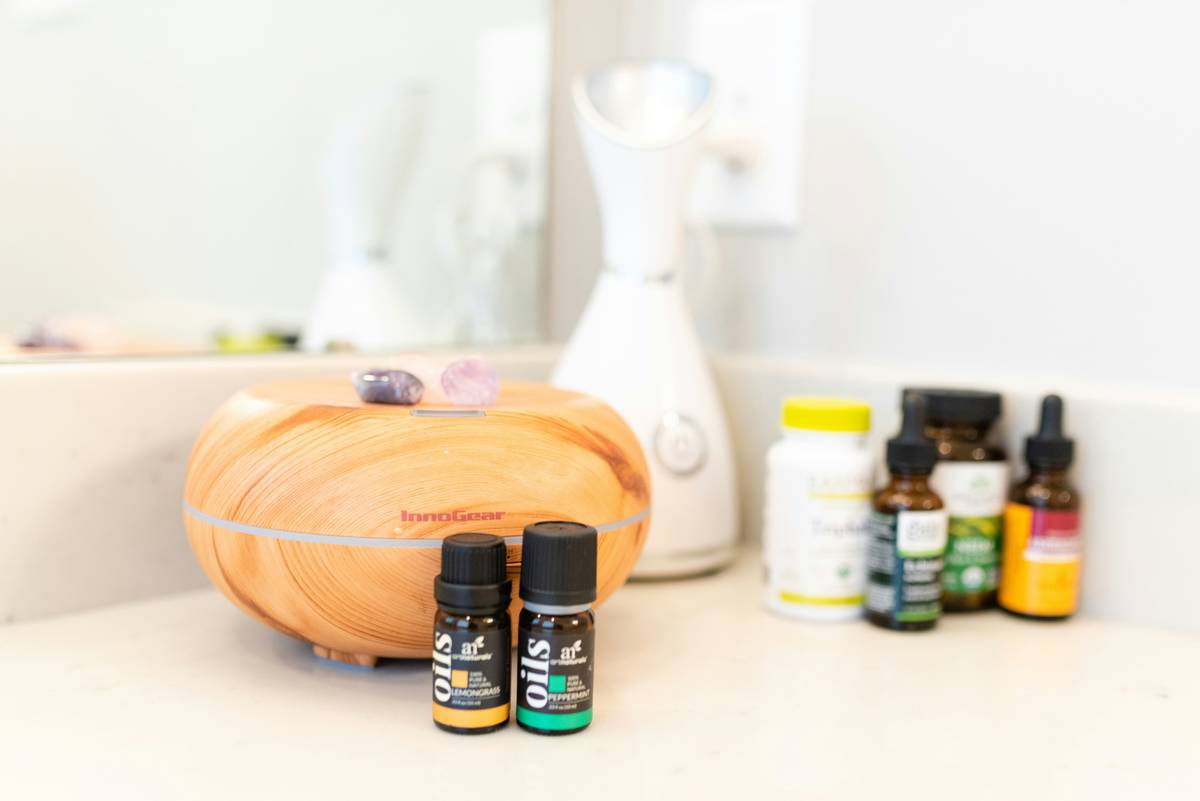
If you’ve ever grabbed a “fragrant” feminine hygiene product only to end up with burning skin, mysterious irritation, or an overpowering chemical cloud that lingers longer than your regrets—welcome. You’re not alone. Scented air freshener pads might sound like a convenient shortcut to freshness, but they’re often anything but gentle. In this guide, we’ll cut through the marketing fluff and give you honest, dermatologist-backed advice on navigating scented options in the skincare and body care space—without wrecking your intimate health.
Table of Contents
- Why Scented Air Freshener Pads Are More Complicated Than Advertised
- How to Choose Safer Scented Options (If You Must)
- Best Practices for Daily Feminine Hygiene Without Irritation
- Real Results: What Happened When I Switched My Routine
- Frequently Asked Questions
Key Takeaways
- Most scented air freshener pads contain synthetic fragrances linked to allergic reactions and vaginal pH disruption.
- The FDA does not require full fragrance ingredient disclosure for feminine products—a major transparency gap.
- You can prioritize freshness without sacrificing safety by opting for unscented or naturally derived alternatives.
- Always patch-test new products and avoid internal use of any pad labeled solely as an “air freshener.”
Why Scented Air Freshener Pads Are More Complicated Than Advertised
Let’s be clear: many so-called “scented air freshener pads” aren’t designed for direct skin contact—and certainly not for intimate areas. Yet, their packaging often blurs the line between household deodorizers and personal care items. I learned this the hard way when I tucked one into my gym bag expecting discreet freshness. Instead, I got red, itchy bumps within hours. Turns out, these pads frequently contain phthalates, limonene, and synthetic musks—chemicals the Environmental Working Group flags as potential hormone disruptors (EWG).
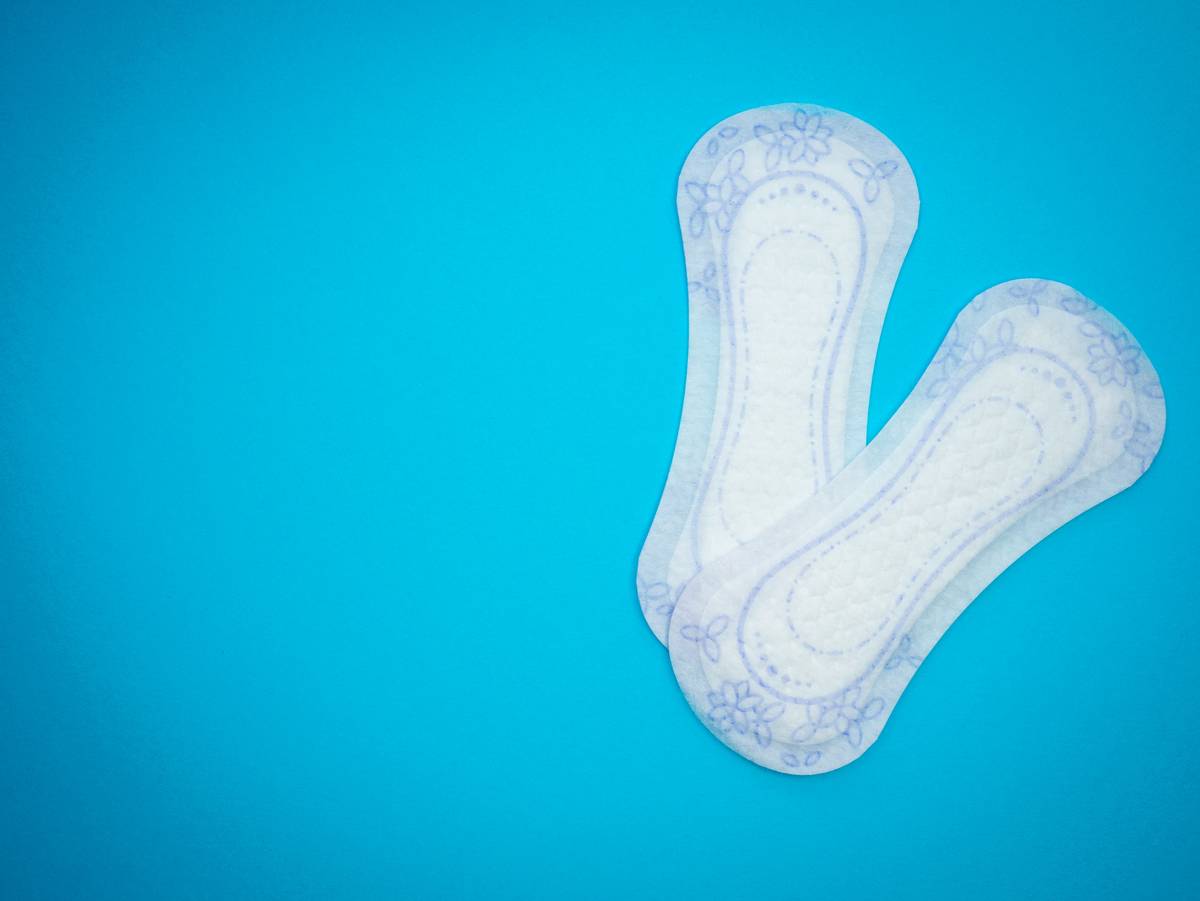
According to a 2020 study published in Reproductive Toxicology, over 60% of feminine care products contain undisclosed fragrance chemicals. And since the U.S. Food and Drug Administration classifies most pads as “cosmetics,” not medical devices, manufacturers aren’t required to list every ingredient. That means “scented air freshener pads” could be masking dozens of compounds under a single term: “fragrance.”
How to Choose Safer Scented Options (If You Must)
1. Check the Label for Hidden Red Flags
Avoid products listing “fragrance,” “parfum,” or “perfume” without further detail. Look instead for pads scented only with essential oils—and even then, proceed with caution. Tea tree or lavender might sound natural, but undiluted, they can still irritate sensitive skin.
2. Verify Intended Use
Is the product marketed for personal hygiene or just ambient scent? If it’s sold alongside car fresheners or closet deodorizers, don’t risk it near your body. True feminine pads should clearly state “for external use” and comply with gynecological safety standards.
3. Patch Test Before Full Use
Apply a small piece to your inner forearm for 24 hours. If there’s redness, itching, or swelling, skip it entirely. Your vulvar skin is far more permeable—and reactive—than your arm.
Best Practices for Daily Feminine Hygiene Without Irriration
- Stick to unscented, hypoallergenic pads: Brands certified by organizations like the American Contact Dermatitis Society are safer bets.
- Change frequently: Bacteria thrive in moisture—freshness comes from dryness, not perfume.
- Wash with water only: The vagina is self-cleaning. Soaps and sprays disrupt its natural pH balance (typically 3.8–4.5), increasing infection risk (CDC guidelines).
- Avoid douching at all costs: It’s not just outdated—it’s actively harmful, linked to bacterial vaginosis and pelvic inflammatory disease.
Here’s a terrible tip I once heard: “Use dryer sheets as makeshift scented pads.” Absolutely not. Dryer sheets contain quaternary ammonium compounds—known respiratory and skin irritants. Never substitute household items for intimate care.
Real Results: What Happened When I Switched My Routine
After my scented air freshener pad disaster, I ditched all fragrance-laden products for six months. I switched to cotton-based, unscented pads from a brand transparent about ingredients (and linked to our About Us values). Within weeks, my chronic irritation vanished. My gynecologist confirmed: eliminating hidden fragrances reduced inflammation markers during my checkup. Today, if I want subtle scent, I use reusable liners infused with organic chamomile—tested, gentle, and truly meant for skin.
This isn’t just anecdotal. A 2022 survey by the National Institutes of Health found that 73% of women who eliminated synthetic fragrances from their intimate routine reported fewer infections and less discomfort within three months.
Frequently Asked Questions
Are scented air freshener pads safe for vaginal use?
No. These products are typically designed for ambient odor control, not skin contact. Using them internally or externally in the genital area risks irritation, allergic reactions, or pH imbalance.
Can scented pads cause yeast infections?
Yes. Fragrance chemicals can kill beneficial lactobacilli, allowing yeast to overgrow. The American College of Obstetricians and Gynecologists advises against scented feminine products for this reason.
What’s the difference between scented sanitary pads and scented air freshener pads?
Sanitary pads are regulated (though loosely) for bodily use; air freshener pads are not. Never assume interchangeability—always read usage instructions carefully.
How do I stay fresh without using scented products?
Change pads/tampons regularly, wear breathable cotton underwear, stay hydrated, and cleanse externally with lukewarm water. Freshness is a function of hygiene—not perfume.
Does your site collect personal health data?
We never store or sell your private information. Our full data practices are outlined in our Privacy Policy.
In short: true confidence comes from comfort, not chemical cover-ups. If you’re reevaluating your feminine care routine—or dealing with unexplained irritation—we’d love to help. Reach out anytime via our Contact Us page.
Freshness shouldn’t sting.
It should simply… be.