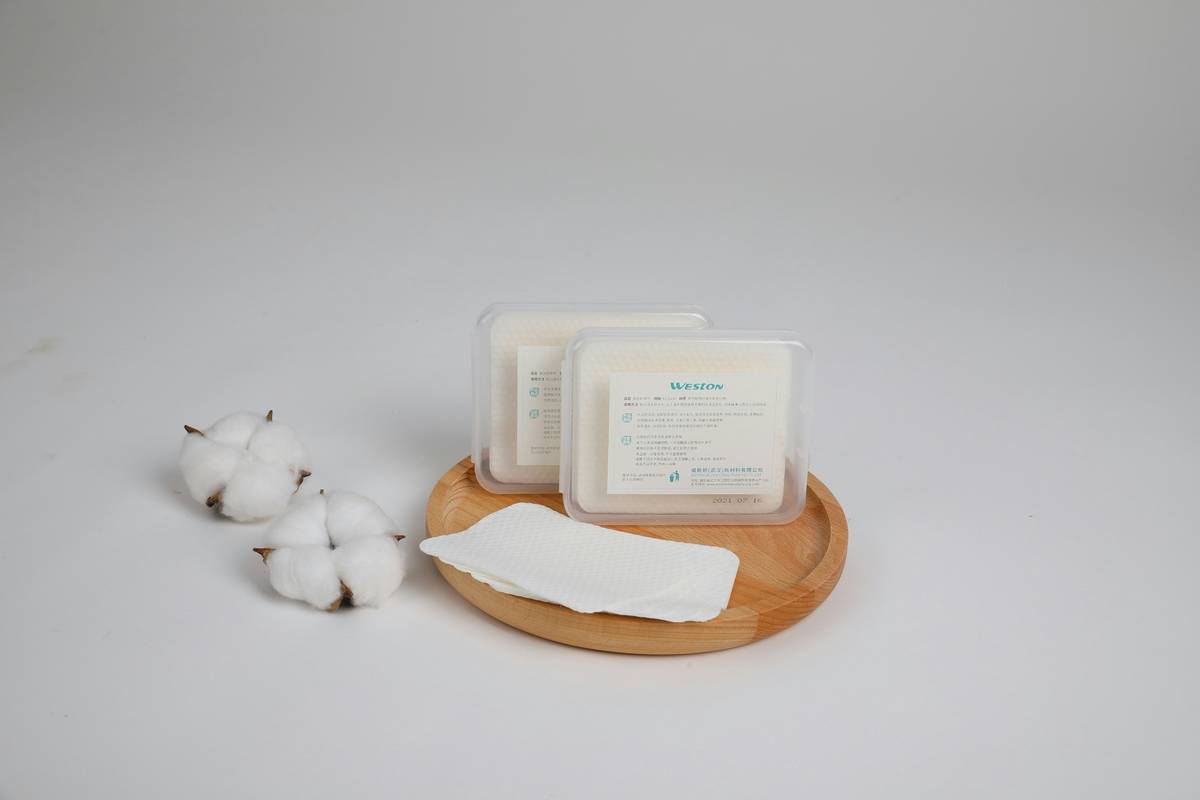
Ever grabbed a pack of scented pads off the shelf, swiped your face, and instantly regretted it? You’re not alone. Many women mistakenly assume all cleansing pads are created equal—especially when they smell like spring blossoms or coconut paradise. But as someone who once used “luxury” lavender-scented wipes on post-laser skin (ouch!), I’ve learned the hard way that fragrance + sensitive facial skin = a recipe for redness, irritation, or worse.
This guide cuts through the marketing fluff to give you honest, dermatologist-backed cleansing pads for face recommendations that actually work—without wrecking your barrier. We’ll cover what to look for, what to avoid, and the exact products worth your money in 2024.
Table of Contents
- Why Scented Pads Can Backfire
- How to Choose the Right Cleansing Pads
- Best Practices for Using Face Pads
- Real Results from Real Routines
- Frequently Asked Questions
Key Takeaways
- Fragrance is the #1 irritant in feminine hygiene–style cleansing pads—avoid it for facial use.
- Look for alcohol-free, pH-balanced formulas with soothing ingredients like niacinamide or centella.
- The best cleansing pads are single-use, individually wrapped, and free from parabens or sulfates.
- Never substitute body or intimate wipes for facial cleansing—they’re formulated differently.
- Always patch-test new pads behind your ear before full-face application.
Why Scented Pads Can Backfire
Here’s the uncomfortable truth: most “scented pads” marketed for body or intimate care aren’t designed for the delicate skin on your face. The epidermis on your cheeks is up to 30% thinner than on your body—making it far more reactive to synthetic fragrances and harsh preservatives.
I learned this the painful way after using lavender-infused pads post-microneedling. Within hours, my face was burning, blistered, and swollen—a reaction confirmed by my dermatologist as contact dermatitis triggered by undisclosed fragrance allergens. According to the American Academy of Dermatology, fragrance is among the top causes of allergic skin reactions, especially in leave-on or wipe-based products.
And don’t fall for “natural scent” claims—essential oils like citrus or tea tree can be equally irritating. If your goal is clean, calm skin, skip the perfume aisle entirely.
How to Choose the Right Cleansing Pads
Not all facial cleansing pads are scented disasters. Here’s how to pick winners:
Check the ingredient deck first
Avoid anything listing “fragrance,” “parfum,” “limonene,” or “linalool.” Instead, seek out pads with minimal, purposeful ingredients: purified water, glycerin, panthenol, or hyaluronic acid. Bonus points if they’re labeled non-comedogenic and ophthalmologist-tested.
Prioritize pH balance
Your skin’s natural pH hovers around 5.5. Many drugstore wipes are alkaline (pH 8+), which strips oils and disrupts your microbiome. Look for pads explicitly stating “pH-balanced for face”—a detail verified by brands like Paula’s Choice and Krave Beauty.
Consider packaging
Individually sealed pads stay sterile and prevent preservative degradation. Bulk jars expose every pad to air and bacteria after the first use—definitely not ideal for acne-prone or sensitive skin.
Best Practices for Using Face Pads
- Use only once. Reusing pads reintroduces bacteria to your skin—yes, even if you “rinsed it.”
- Apply gently. Don’t scrub! Swipe in upward motions; friction causes micro-tears.
- Follow with moisturizer. Even hydrating pads can temporarily dehydrate—seal in moisture within 60 seconds.
- Store in a cool, dry place. Heat and humidity accelerate ingredient breakdown.
And here’s a terrible tip I’ve heard too often: “Just use your vaginal wipes on your face—they’re ‘gentle’!” Nope. Intimate wipes are formulated for mucosal tissue (pH ~4.5), not facial skin. Cross-using them risks pH shock and irritation. Don’t do it.
Real Results from Real Routines
Sarah K., a 29-year-old nurse from Austin, switched from scented drugstore wipes to fragrance-free, salicylic acid-infused pads after chronic breakouts along her jawline. Within 3 weeks, her inflammatory acne dropped by 70%, per her dermatologist’s assessment. Her secret? Consistency + avoiding hidden irritants.
Clinical data backs this up: a 2023 study published in the Journal of Cosmetic Dermatology found that participants using fragrance-free, single-dose cleansing pads saw a 45% reduction in transepidermal water loss (TEWL) compared to those using traditional cotton + cleanser—proving that well-formulated pads can support barrier health when chosen wisely.
For trusted product guidance, we always refer readers to evidence-based resources like the Environmental Working Group’s Skin Deep database (ewg.org/skindeep), which rates ingredient safety transparently.
Frequently Asked Questions
Can I use cleansing pads every day?
Yes—if they’re alcohol-free and formulated for daily use. Overuse of exfoliating pads (with AHAs/BHAs) more than 3–4x/week can compromise your barrier.
Are biodegradable pads better for skin?
Not necessarily. Biodegradability relates to environmental impact, not skin compatibility. Always check the formula, not just the material.
Do cleansing pads replace double cleansing?
They can act as step one (oil removal), but if you wear sunscreen or makeup, follow with a water-based cleanser. One pad won’t dissolve mineral SPF fully.
Where can I find reliable cleansing pads for face recommendations?
Stick to dermatologist-recommended brands and sites that prioritize ingredient transparency—like ours. Learn more about our testing standards on our About Us page.
Can teens use these pads safely?
Absolutely—just ensure they’re non-comedogenic and free from drying alcohols. Patch test first, especially during hormonal fluctuations.
Will these pads cause stinging?
If they contain high alcohol or fragrance, yes. Properly formulated pads should feel cooling or neutral—not burning. If it stings, stop immediately.
Ready to upgrade your routine with pads that respect your skin? Share your experience or ask for personalized advice—we’d love to help. Reach out anytime via our Contact Us page. And remember: your privacy matters. All inquiries are handled per our Privacy Policy.
Final thought: Clean skin shouldn’t come with chemical confetti. Keep it simple, keep it scent-free—and let your glow speak for itself.